
- How Much Does a Trip to Korea Cost Per Day?
- How Much Should You Budget for Accommodation in Korea?
- How Much Does Food Cost in Korea Each Day?
- How Much Should You Budget for Getting Around Korea?
- How Much Do Attractions and Activities Cost in Korea?
- What Other Costs Should You Plan For?
- How Can You Save Money on a Trip to Korea?
- Sample Daily Budget by Travel Style
- Need Help?
- Budget Questions, Answered
Trying to figure out how much money you actually need for a trip to Korea?
The honest answer is: it depends heavily on your travel style, and the gap between a backpacker budget and a comfortable one is bigger than most first-time visitors expect.
This guide breaks down real daily costs for accommodation, food, transport, and attractions, plus practical ways to spend less without feeling like you’re missing out.
How Much Does a Trip to Korea Cost Per Day?
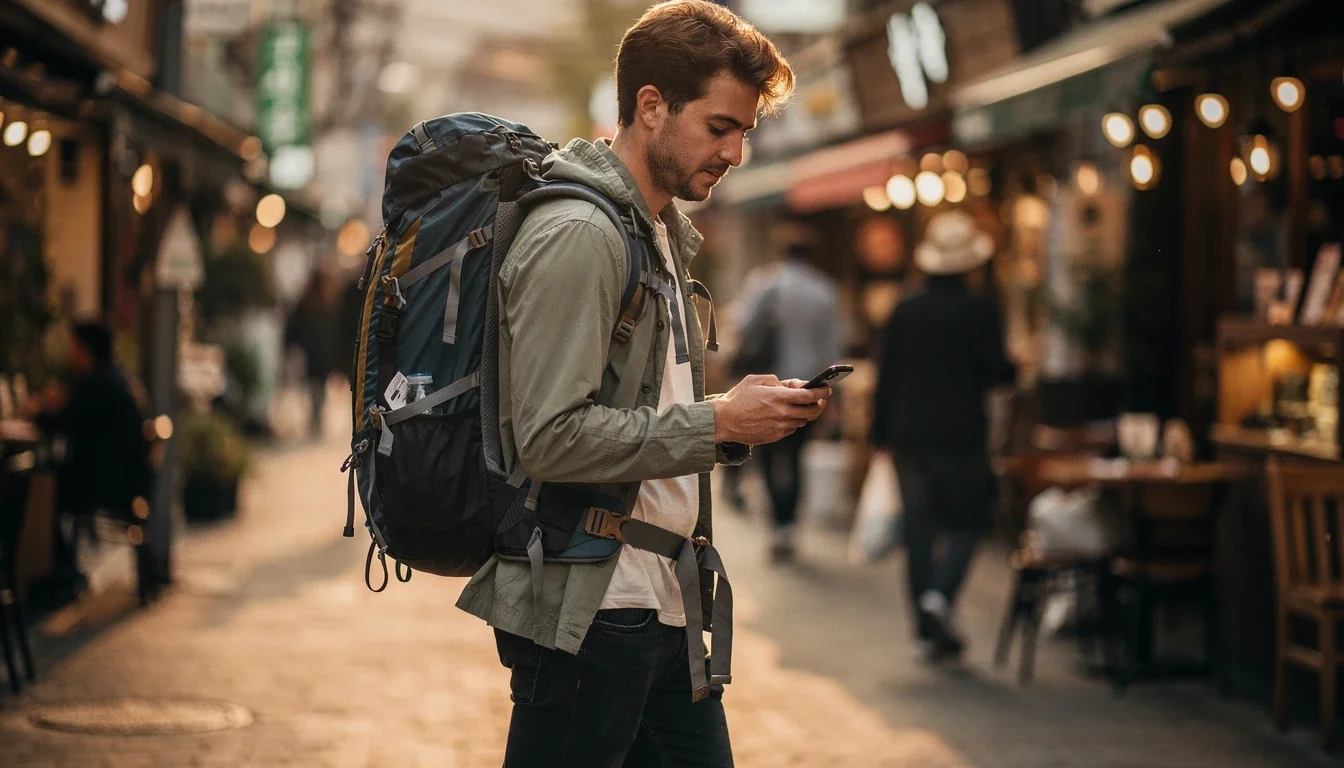
Travel like a backpacker and a day in Korea costs around 50,000-70,000 KRW (roughly $35-50). Go the hotel-and-taxi route and that climbs to 250,000 KRW (roughly $185) or more.
Accommodation is the biggest swing factor. After that it’s how often you eat at restaurants rather than pulling food from convenience stores and markets.
What does mid-range actually mean? A clean private guesthouse or 3-star hotel, a mix of casual and sit-down meals, public transport with the occasional taxi.
For a first-time visitor sticking mostly to Seoul, that lands around 120,000-180,000 KRW (about $90-135) per person per day, flights excluded.
Below, you’ll find typical costs broken down by accommodation, food, transportation, and attractions, plus a sample daily budget for three travel styles so you can estimate a full trip total before you book anything.
These are general estimates, not official figures.
Prices vary by season, city, and exchange rate, so treat the numbers below as a planning starting point, and check current prices closer to your travel dates.
| Travel Style | Typical Daily Total | Accommodation | Food | Transport & Extras |
|---|---|---|---|---|
| Budget (backpacker) | Hostel dorm bed | Convenience stores, street food, casual eateries | Subway/bus only, mostly free attractions | |
| Mid-range | 3-star hotel or private guesthouse | Mix of casual and sit-down restaurant meals | Subway/bus + occasional taxi, some paid attractions | |
| Comfortable | 250,000+ KRW (~$185+) | 4-5 star hotel | Restaurant dining, occasional fine dining | Taxis or private transport, paid tours |
How Much Should You Budget for Accommodation in Korea?
Accommodation is usually the single biggest line item in a Korea travel budget, and it’s also where your daily cost varies the most.
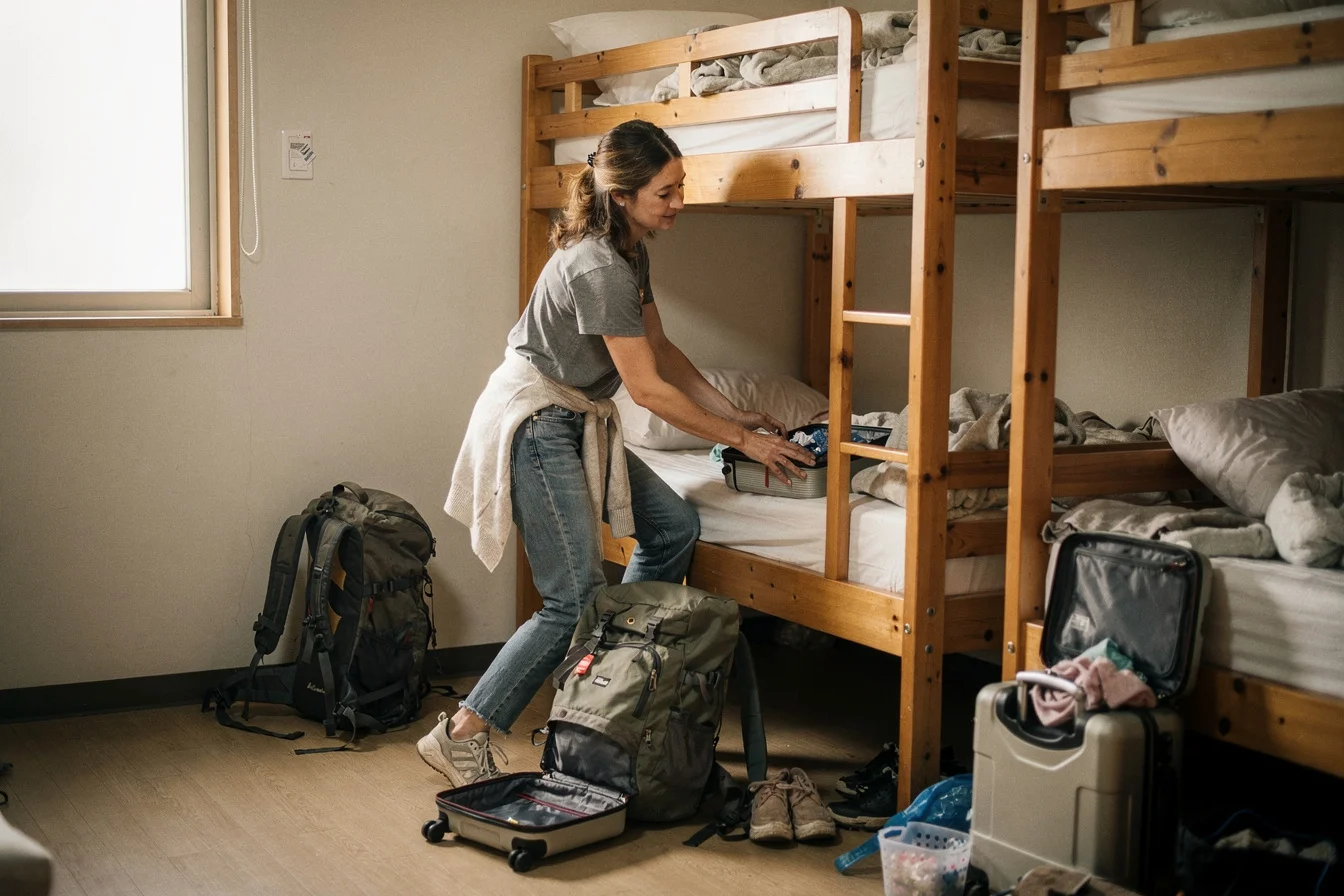
In Seoul or Busan, a dorm bed in a well-reviewed hostel runs about 25,000-35,000 KRW (roughly $18-26) a night. A private room in a budget guesthouse or motel sits closer to 45,000-70,000 KRW (about $33-52).
Mid-range 3-star hotels fall between 80,000-130,000 KRW (around $59-96). Four and five-star hotels start at 200,000 KRW (about $148) and climb well past that in central Seoul during peak season.
Booking weekday stays instead of weekends, and choosing Korea Quality-certified accommodations for a reliable minimum standard, are both easy ways to keep this line item predictable.
- Hostel dorm bed:
25,000-35,000 KRW/night ($18-26) - Budget guesthouse or motel, private room:
45,000-70,000 KRW/night ($33-52) - 3-star hotel:
80,000-130,000 KRW/night ($59-96) - 4-5 star hotel:
200,000 KRW/night and up ($148+)
How Much Does Food Cost in Korea Each Day?
You can eat very well in Korea on a modest budget, largely because convenience stores, street food stalls, and casual local restaurants are both cheap and genuinely good.
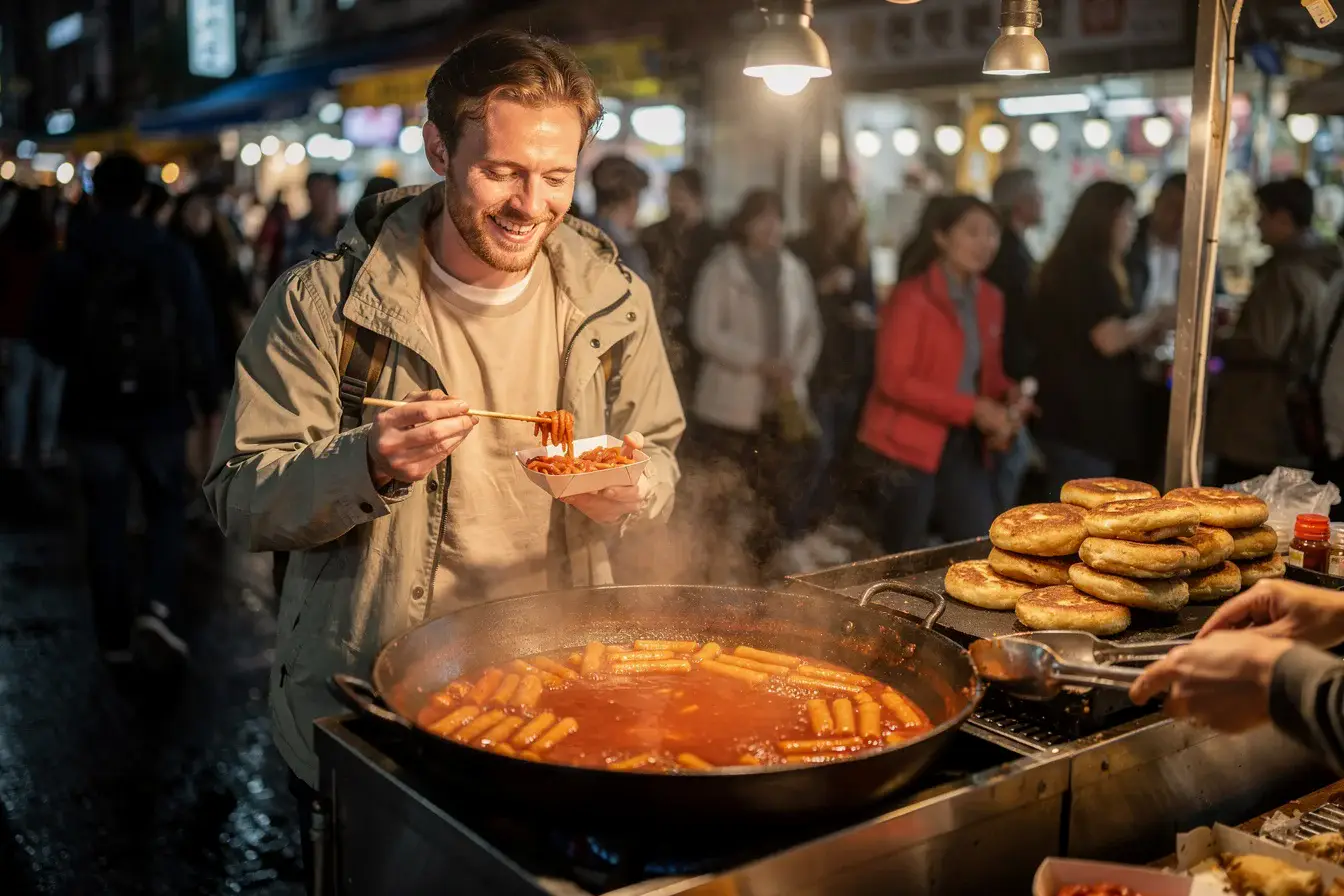
A convenience store meal, meaning triangle kimbap, instant noodles and a drink, runs about 5,000-8,000 KRW (roughly $4-6). A bowl of noodles or a street food snack at a market is typically 4,000-10,000 KRW (about $3-7).
Sit down at a local restaurant and you’re looking at 8,000-15,000 KRW (roughly $6-11) per person, usually with several free side dishes (banchan) included.
A traveler eating this way can cover food for about 20,000-30,000 KRW (around $15-22) a day. Choosing nicer restaurants, cafés, or Korean BBQ for dinner instead pushes a daily food budget closer to 40,000-60,000 KRW (about $30-44) or more.
How Much Should You Budget for Getting Around Korea?
Public transportation in Korea is fast, clean, and inexpensive compared to many other countries, which makes it easy to keep this part of your budget low.
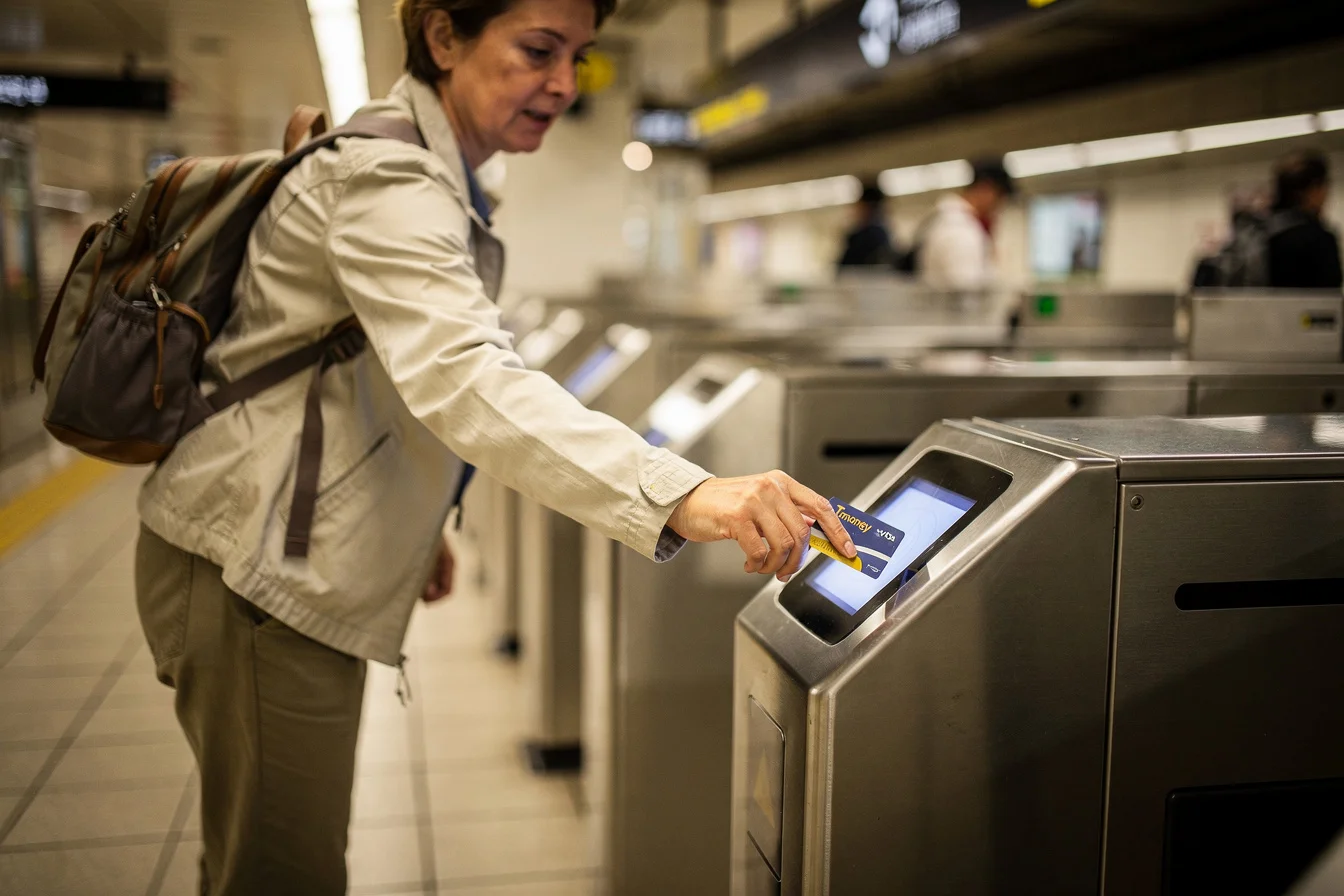
A single subway or bus ride in Seoul costs around 1,400-1,600 KRW (about $1-1.20), with a small surcharge over longer distances. Tap a rechargeable card like T-money and transfers between subway and bus inside a set window come free or heavily discounted.
Stick mainly to subway and bus and you’ll spend roughly 5,000-10,000 KRW (about $4-7) a day on local transport.
Taxis are metered and reasonable for short hops, but they add up fast if you lean on them.
Covering several cities? Look at a KORAIL Pass. The pass gives unlimited train travel for a set number of days and often beats buying long-distance tickets one by one.
How Much Do Attractions and Activities Cost in Korea?
Sightseeing in Korea can be almost entirely free if you plan around it, which makes this one of the easiest categories to trim from a tight budget.
Major national museums, including the National Museum of Korea and the Gyeongju National Museum, offer free admission, and free experience spaces like HiKR Ground (run by the Korea Tourism Organization) let you try Korean cultural activities at no cost. Natural attractions such as Han River parks, hiking trails, and most beaches are also free to enter.
Paid attractions are cheap individually. Most palace and museum entries run roughly 1,000-5,000 KRW (about $1-4). Visit several in one day, though, and it mounts up.
For a mix of paid and free sightseeing, budget around 10,000-20,000 KRW (about $7-15) a day. That covers most itineraries.
What Other Costs Should You Plan For?
Beyond the day-to-day essentials, a few one-time or easy-to-forget costs are worth budgeting for before you land.
If you haven’t already sorted your entry requirements, factor in the small K-ETA or visa fee. See our Korea entry guide to visas and K-ETA for current costs and eligibility. A local SIM card or eSIM for data typically runs a flat fee for your trip length, and our SIM card, eSIM, and WiFi egg guide can help you pick the right option. Travel insurance is a small but worthwhile add-on, and tipping is not customary in Korea, so you can leave that line item out entirely.
If you plan to shop for souvenirs, cosmetics, or electronics, remember that anything over the duty-free allowance when you fly home may need to be declared. Our immigration and customs guide covers the current limits. Together, these extras usually add somewhere between 20,000-50,000 KRW (about $15-37) a day, more if shopping is a big part of your trip.
Tipping is not expected in Korea.
Unlike some countries, tipping isn’t part of local dining or service culture, so you can leave this out of your daily budget entirely.
How Can You Save Money on a Trip to Korea?
The fastest way to cut your Korea travel budget is to shift a few daily habits rather than skip experiences altogether.
Three easy levers, none of which costs you much of the experience. Take one meal a day from a convenience store or traditional market. Book accommodation on weekdays rather than weekends. Use subway and bus with a T-money card instead of taxis.
Timing helps too. Travel outside the July-August and December-January peak seasons and both flights and accommodation prices down.
None of these tips require giving up the parts of a trip that matter most. They just redirect spending toward what you actually came for.
- Eat at least one meal a day from a convenience store, food stall, or traditional market instead of a restaurant
- Book accommodation for weekday nights when possible, since rates are often noticeably lower than weekends
- Use a T-money (or similar) transit card for subway and bus instead of paying cash or relying on taxis
- Prioritize free attractions: national museums, HiKR Ground, Han River parks, hiking trails, and beaches
- Travel outside peak season (avoid July-August and December-January) for lower flight and hotel prices
- Use free Wi-Fi at subway stations, cafes, and accommodations, and pair it with a low-cost SIM or eSIM instead of an expensive roaming plan
- If traveling between cities, compare a KORAIL Pass against individual tickets before booking
Sample Daily Budget by Travel Style
Putting the categories above together gives a clearer picture of what a full day actually costs for each travel style. These per-day totals assume a solo traveler based mainly in Seoul and exclude international flights, which vary too widely by origin city and season to estimate here.
Multiply by your trip length for a rough total. A 7-day mid-range trip works out to roughly 840,000-1,260,000 KRW (about $625-935) before flights.
Traveling as a couple doesn’t double the bill. A hotel room and some transit costs are shared, so two people at mid-range usually land closer to 1.6-1.8x a single traveler’s total rather than a full 2x.
| Category | Budget | Mid-range | Comfortable |
|---|---|---|---|
| Accommodation | ~30,000 KRW | ~90,000 KRW | ~200,000+ KRW |
| Food | ~20,000 KRW | ~35,000 KRW | ~70,000 KRW |
| Transportation | ~6,000 KRW | ~12,000 KRW | ~30,000 KRW |
| Attractions & extras | ~5,000 KRW | ~15,000 KRW | ~40,000 KRW |
| Estimated total/day |
Need Help?
Foreigners’ General Information Center 1345
- Phone Number: 1345 (Domestic) / +82-1345 (International)
- Hours: Weekdays 09:00-22:00
- 09:00-18:00: Supported in 20 languages including Korean, English, Chinese, Japanese, Vietnamese, Thai, and Mongolian
- 18:00-22:00: Korean, English, Chinese
Useful Official Resources
Budget Questions, Answered
Most travelers spend somewhere between 50,000 KRW (backpacker) and 250,000+ KRW (comfortable) per day, not including flights. A realistic mid-range daily budget for a first-time visitor is around 120,000-180,000 KRW (about $90-135), covering accommodation, food, local transport, and some paid attractions.
Korea sits in the middle compared to other popular Asian destinations: pricier than Southeast Asia, but generally cheaper than Japan or most of Western Europe for accommodation and food. Public transportation and street food in particular are very affordable relative to the experience.
Korea is heavily card- and mobile-payment friendly, so you don’t need to carry large amounts of cash. A small amount (around 20,000-30,000 KRW) for markets, small vendors, or backup is usually enough for most days. See our currency exchange and payment methods guide for exchange, ATM, and prepaid card options.
Traditional markets, street food stalls, and casual local restaurants offer the best value: a full meal often costs 8,000-15,000 KRW and comes with several free side dishes (banchan). Convenience stores are also a reliable, cheap backup for any meal.
Yes. National museums like the National Museum of Korea and the Gyeongju National Museum are free, as are most natural attractions like Han River parks, hiking trails, and beaches. Free cultural experience spaces like HiKR Ground are also worth checking.
Yes, subway and bus fares typically start around 1,400-1,600 KRW per ride, and using a rechargeable transit card gives you discounted transfers between subway and bus. Most travelers spend only 5,000-10,000 KRW a day getting around a single city.
Using the mid-range daily estimate of about 120,000-180,000 KRW, a 7-day trip works out to roughly 840,000-1,260,000 KRW (about $625-935) per person before flights. Budget travelers can expect closer to 350,000-490,000 KRW (about $260-360) for the same length of trip.
Accommodation has the biggest swing between travel styles, so choosing a well-reviewed guesthouse or budget hotel over a full-service hotel, and booking weekday nights when possible, typically saves the most compared to trimming food or transport costs.
Budget travel in Korea rarely means a worse trip. Street food, subway rides and free palace grounds are part of the experience, not a compromise on it.
Trip-planning questions this guide didn’t cover? Try the Foreigners’ General Information Center on 1345, weekdays 09:00-22:00.



Comments
Leave a comment