
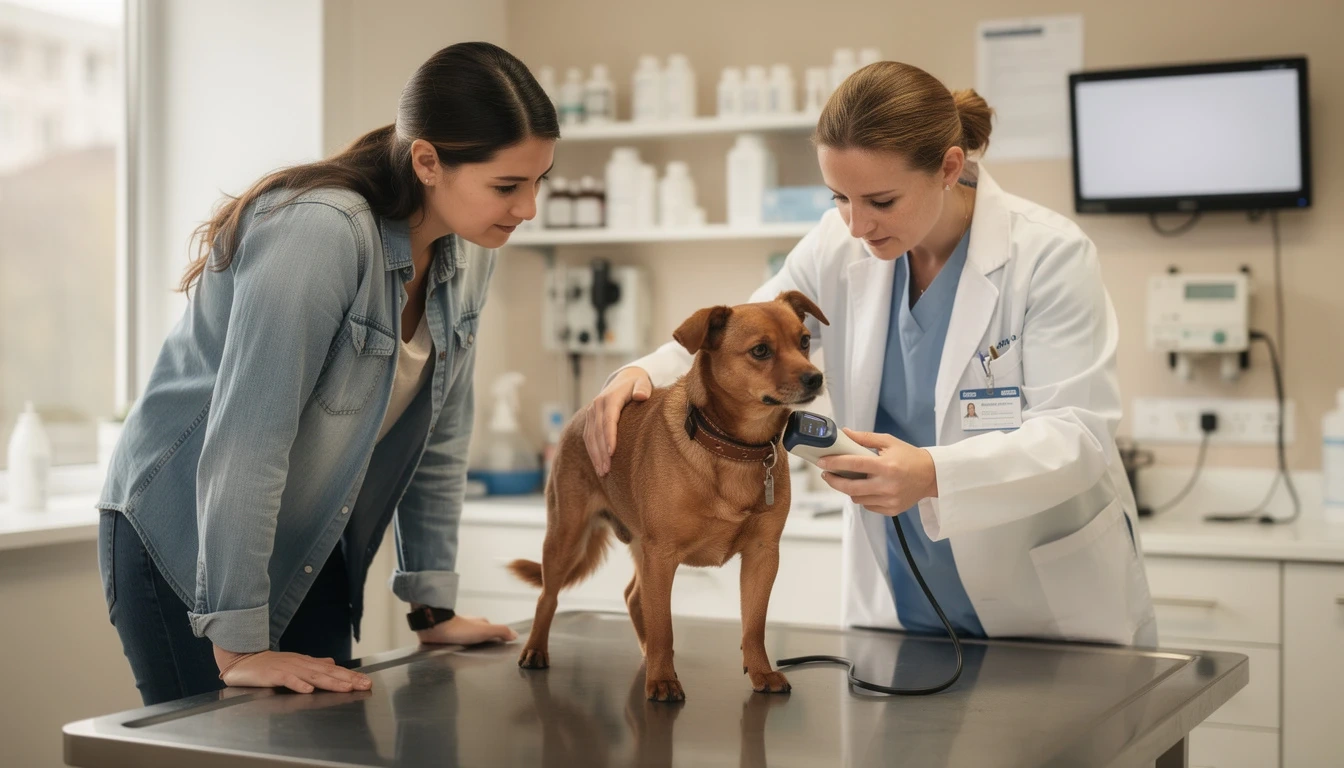
Thinking about bringing your dog or cat with you to Korea?
It’s absolutely possible, but Korea treats it as a formal animal quarantine process, not a simple carry-on item.
Below is everything to line up before departure, and what actually happens the moment your pet clears the airport.
Can You Bring Your Pet to Korea?
Yes, dogs and cats can enter Korea, but only if you complete a formal quarantine process before you fly and follow inspection steps the moment you land.
This isn’t a logistics question like picking a carrier size. Korea treats it as an animal import.
That means a government-certified quarantine document from your home country, issued before departure. It has to show two things: a microchip identification number, and the results of a rabies neutralizing antibody test.
The certificate has to be issued or endorsed by your home country’s official animal quarantine authority (EU travelers can use an EU Pet Passport instead of a separate certificate).
If any of this paperwork is missing or incomplete when you arrive, Korean quarantine officers can hold your pet in an isolation facility instead of letting it go through with you. Because of this, pet owners should start preparing weeks in advance, not the week before the flight.
At a glance: what your pet needs:
A microchip with its ID number recorded on your quarantine certificate, a rabies neutralizing antibody test (FAVN or RFFIT) result on that same certificate, advance approval from your airline, and, on arrival, a separate hand-off of that certificate to a quarantine officer before you clear customs.
What Documents Does Your Pet Need Before Flying to Korea?
Before your pet can legally fly to Korea, two specific medical steps have to be documented on an official quarantine certificate issued by your home country’s government.
First, your pet needs a microchip implant, and that microchip’s identification number must be written into the certificate, since that’s how Korean quarantine officers match the paperwork to the actual animal at arrival.
Second, your pet needs a rabies neutralizing antibody test, using either the FAVN (Fluorescent Antibody Virus Neutralization) or RFFIT method, and those results also have to appear on the certificate. Neither requirement is optional, and neither can be added after the fact at the airport. Both need to be completed and documented before you leave your home country.
If you’re an EU traveler, an EU Pet Passport that already contains this information can generally be used in place of a separately issued certificate, but double-check with Korea’s Animal and Plant Quarantine Agency (APQA) before you travel.
The Two Non-Negotiable Requirements
- Microchip implant with the ID number listed on the quarantine certificate
- Rabies neutralizing antibody test (FAVN or RFFIT) with results listed on the same certificate
Confirm exact requirements for your country and animal:
Quarantine paperwork requirements can vary slightly depending on your departure country and species. Check the official Animal and Plant Quarantine Agency (APQA) pet import page well before booking your flight.
What Else Should You Arrange Before You Fly?
Paperwork for your pet isn’t the only thing to line up before departure. You also need to confirm your pet actually has a seat on the plane and a place to stay once you land.
Airlines set their own limits on how many pets are allowed per flight, so requesting pet travel at check-in with no advance notice is risky; you could be turned away even with valid quarantine documents in hand. Contact your airline as early as possible to get pet travel pre-approved, ideally when you book your own ticket.
Separately, not every hotel, guesthouse, or attraction in Korea welcomes pets, so it’s worth confirming pet policies for your accommodation and any planned stops before you commit to an itinerary built around traveling together.
Sorting out both of these logistics early means the only thing left to manage close to your trip is the quarantine paperwork itself, rather than scrambling on multiple fronts at once.
Book pet travel when you book your own ticket.
Pet seats per flight are limited and policies vary by airline, so requesting approval at the same time you book your own seat avoids being turned away at check-in.
What Happens When You Arrive in Korea With a Pet?
Once you land in Korea, your pet’s paperwork gets handled separately from your own entry process. While still on the plane, you’ll fill out a standard customs declaration form, the same one every arriving traveler completes.
But your pet’s quarantine certificate isn’t part of that customs paperwork. It has to be handed directly to an animal quarantine officer before you go through the customs inspection line, not folded into your general customs declaration.
Inside the airport terminal itself, your pet is expected to stay inside its carrier at all times; airport staff generally only allow a short leash (no more than about 50 cm) or a pet stroller in unavoidable situations, such as brief comfort breaks.
If you’re also carrying food items along with your pet, keep in mind that those go through a separate declaration and inspection track: our guide on customs rules for meat, fruit, and agricultural products covers that process in detail.
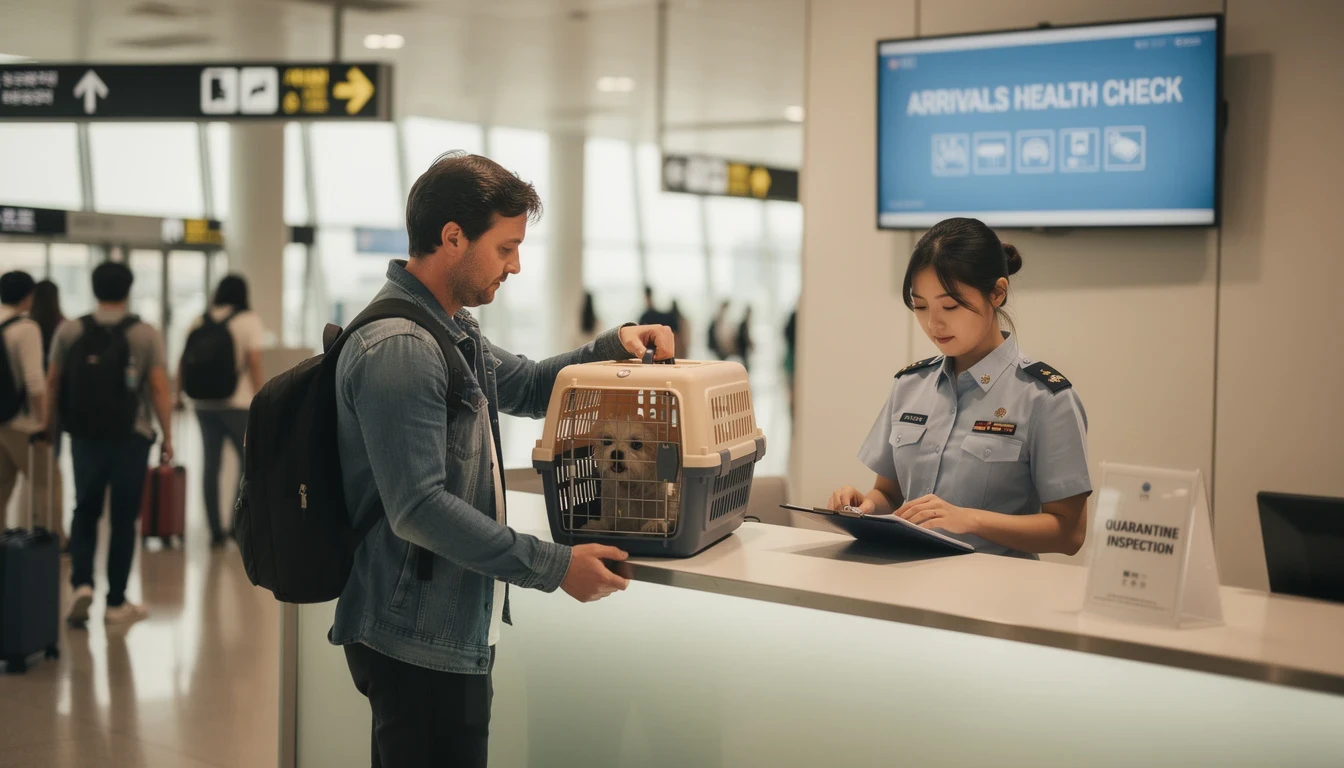
- Customs declaration form: filled out during the flight, same as every traveler
- Quarantine certificate: submitted separately to an animal quarantine officer before customs inspection
- Inside the terminal: pet must stay in its carrier, except for brief unavoidable moments (short leash under 50 cm, or pet stroller)
For a full walkthrough of the general customs declaration form and how it works alongside items like duty-free allowances, see our Immigration and Customs guide.
What If Your Pet Doesn’t Meet Korea’s Quarantine Requirements?
Paperwork that doesn’t fully meet Korea’s quarantine requirements means your pet doesn’t leave the airport with you.
Animal quarantine officers place the animal in a separate isolation facility until the gap is closed. The gap might be an incomplete microchip record, a missing or outdated rabies antibody test, or an uncertified document.
This isn’t a quick counter-side fix. Depending on what’s missing, resolving it can take significant time and may involve additional testing, veterinary coordination, and facility fees you’d be responsible for, which is standard practice for quarantine holds. Exact costs and timelines vary by case, so confirm specifics with APQA if this situation applies to you.
Which is why the certificate, microchip and rabies antibody test all need to be finished before you board. None of it is sortable on arrival.
Travelers who complete every requirement in advance rarely see this isolation step. It’s a safety net for incomplete cases, not a routine part of entry.
Incomplete paperwork means isolation, not a warning.
There’s no on-the-spot exception for missing microchip data or rabies test results. Resolving an incomplete quarantine certificate after arrival takes time and money, so confirm every requirement before departure.
Pre-Travel Pet Checklist
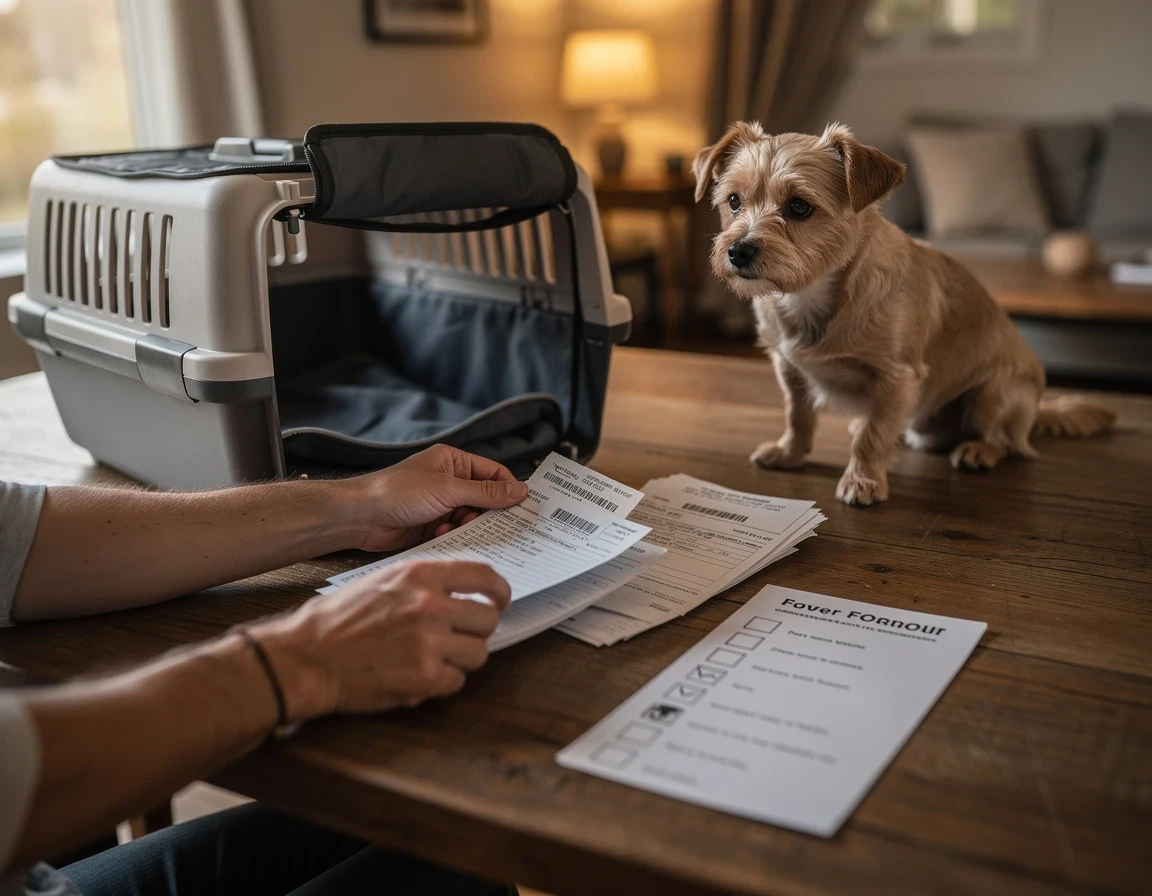
Use this checklist to keep your pet’s Korea travel prep on track, from the first vet visit to the moment you land.
| When | What to Do |
|---|---|
| Well before booking | Confirm your pet has a microchip implant |
| Well before your flight | Complete the rabies neutralizing antibody test (FAVN or RFFIT) |
| Before booking your ticket | Get your airline’s pet travel pre-approval |
| Before departure | Obtain the government-certified quarantine certificate (or EU Pet Passport) listing both the microchip ID and antibody test results |
| Before departure | Confirm pet policies at your Korea accommodation and planned stops |
| During the flight | Fill out the standard customs declaration form |
| On arrival | Submit the quarantine certificate to an animal quarantine officer before customs, keeping your pet in its carrier |
Don’t forget your own entry paperwork.
Your pet’s quarantine certificate is separate from your own visa or K-ETA requirements. See our Visa & K-ETA guide to confirm what you personally need to enter Korea.
Need Help?
Foreigners’ General Information Center 1345
- Phone Number: 1345 (Domestic) / +82-1345 (International)
- Hours: Weekdays 09:00-22:00
- 09:00-18:00: Supported in 20 languages including Korean, English, Chinese, Japanese, Vietnamese, Thai, and Mongolian
- 18:00-22:00: Korean, English, Chinese
Useful Official Websites
Pet Quarantine FAQ
Yes. Dogs and cats can enter Korea if you complete a government-certified quarantine process before departure: a microchip implant, a rabies neutralizing antibody test (FAVN or RFFIT), and a quarantine certificate listing both, and follow the arrival procedure, which includes handing that certificate to a quarantine officer before customs.
FAVN (Fluorescent Antibody Virus Neutralization) and RFFIT (Rapid Fluorescent Focus Inhibition Test) are rabies neutralizing antibody blood tests that confirm your pet has an adequate immune response to rabies vaccination. Korea requires the results of one of these tests to be listed on your pet’s quarantine certificate before entry.
Generally, an EU Pet Passport that already includes your pet’s microchip ID and rabies antibody test results can be used in place of a separately issued quarantine certificate. Confirm the current rule with Korea’s Animal and Plant Quarantine Agency before you travel.
No. Both the microchip implant and the rabies neutralizing antibody test results need to be completed and documented on your quarantine certificate before you leave your home country. Neither can be arranged or added after you’ve already booked a last-minute trip, so start the process well in advance.
Your pet will be placed in a separate isolation facility until the missing requirement is resolved, rather than being allowed to leave the airport with you. This can take time and, as is standard practice for quarantine holds, may involve facility fees, so it’s far simpler to confirm every document before departure.
No. The customs declaration form is filled out during the flight like any other traveler’s paperwork, while the quarantine certificate is a separate document handed directly to an animal quarantine officer before you go through customs.
No. They’re handled under different rules. Your pet goes through the animal quarantine process described here, while pet food and other food items you’re carrying fall under separate customs and agricultural import rules. See our guide to bringing food into Korea for those details.
Yes. Your pet’s quarantine paperwork is completely separate from your own entry requirements. You’ll still need a visa, K-ETA, or applicable waiver based on your nationality. See our Visa & K-ETA guide for details.
Paperwork for a pet takes weeks, not days. Start early, and confirm every requirement with Korea’s Animal and Plant Quarantine Agency rather than a forum post.
For general travel questions, the Foreigners’ General Information Center is on 1345 (weekdays 09:00-22:00).
Get the documents right and the flight is the easy part.



Comments
Leave a comment